
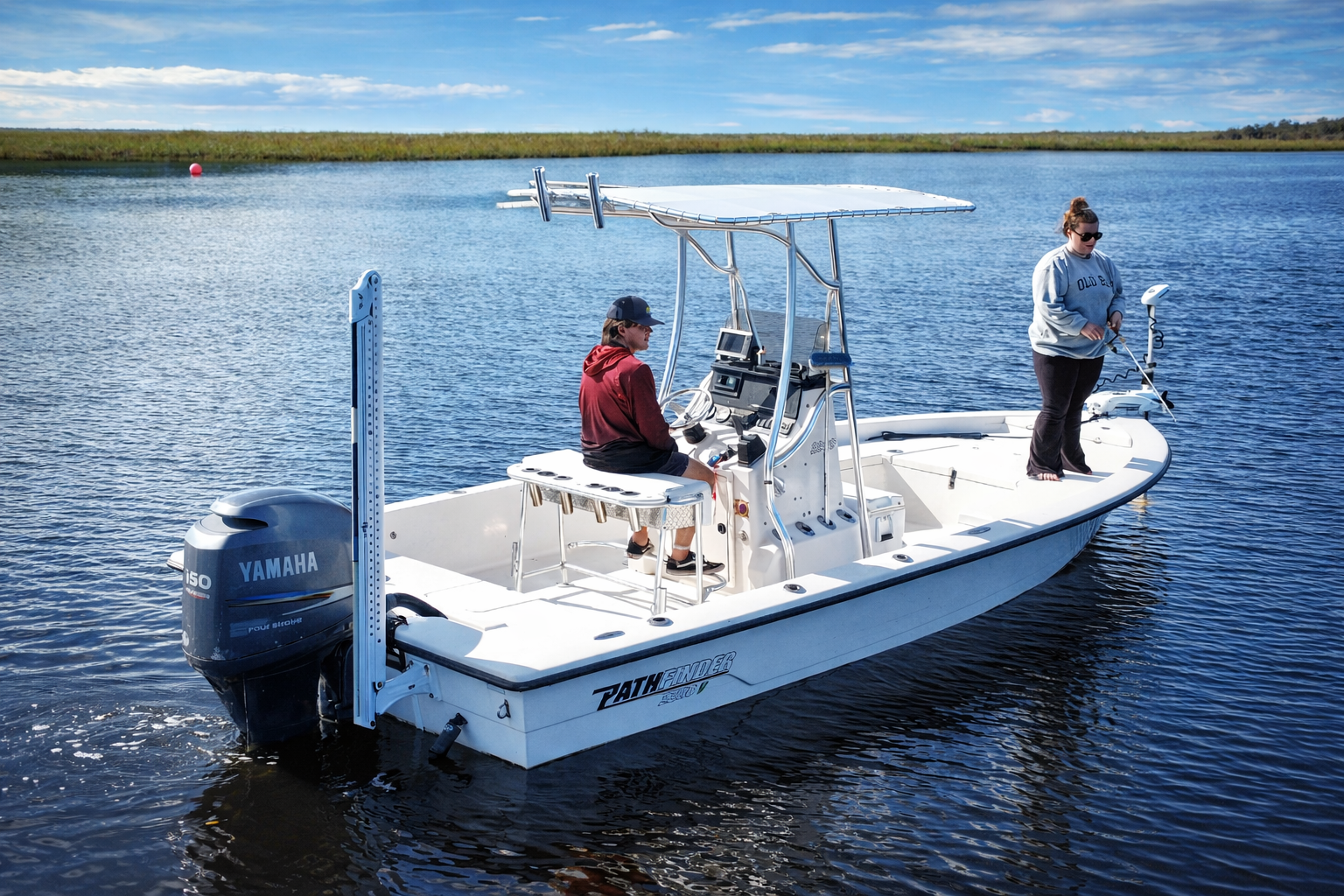
Few places in Florida give anglers as much variety as Jacksonville. In a single weekend you can chase redfish in the marsh creeks at sunrise, drop bait on offshore reefs by mid-morning, and finish the day catching trout under bridge lights. Fishing in Jacksonville FL spans inshore flats, the St. Johns River, the Intracoastal Waterway, and the open Atlantic, all reachable from the same home marina. This guide covers the spots, species, and seasonal patterns that make the area a year-round angler’s paradise, with practical tips you can use on your next trip.
Why Jacksonville Is One of Florida’s Top Fishing Cities
Jacksonville sits at a unique geographic crossroads. The St. Johns River meets the Atlantic here, the ICW runs north and south through protected estuaries, and a network of creeks and marshes creates the kind of inshore habitat where redfish, trout, and flounder thrive. Just offshore, a series of artificial reefs and natural ledges hold kingfish, snapper, grouper, and amberjack within an easy run from the jetties.
You also get access to species that anglers in other parts of Florida have to drive hours to find. Northeast Florida produces trophy redfish in the fall, kingfish during the spring run, tarpon in summer, and sheepshead through the winter. The seasons overlap enough that something is always biting.
Inshore Fishing: Creeks, Marshes, and the ICW
Inshore is where most local anglers spend their time. The water is calmer, the runs are shorter, and the species are aggressive year-round.
Top Inshore Spots
Mill Cove: A massive shallow flat just south of the St. Johns River mouth. Redfish, trout, and flounder all use the cove on moving tides. Best fished two hours into the incoming tide.
Sisters Creek: Marsh creek system with deep holes, oyster bars, and grass edges. Excellent for redfish in the fall and trout in the spring.
Clapboard Creek: A favorite for flounder and slot redfish. The mouth where it meets the ICW is a proven year-round producer.
Nassau Sound: A bit of a run north, but the sound holds tarpon in summer and big redfish in fall. Live mullet and finger mullet are the local go-to baits.
Fort George Inlet: Productive for flounder gigging at night and redfish on the falling tide.
A shallow-draft boat is a major advantage here. The Scout 19 Sportfish in the Jax Boat Club fleet draws only 12 inches and can sneak into creeks bigger boats cannot reach.
Inshore Techniques
Live shrimp under a popping cork remains the most reliable inshore rig in Northeast Florida. For redfish, switch to cut mullet or finger mullet on a Carolina rig along oyster bars. Soft plastics on a quarter-ounce jighead work for trout when the water clears up after a cold front.
Tides matter more than time of day. The two hours before and after a tide change usually outproduce a high-noon slack tide by a wide margin.
Offshore Fishing: Reefs, Wrecks, and Bluewater
Once you clear the jetties, a different fishery opens up. Offshore runs from Jacksonville range from a few miles to 40-plus miles depending on the species you are chasing.
Named Reefs and Wrecks
Blackmar’s Reef: One of the most productive reefs in the area, holding kingfish, sharks, amberjack, and bottom fish. Located within an easy run from St. Johns River inlet.
Nine Mile Reef: Closer in, ideal for half-day trips. Black sea bass, vermilion snapper, and flounder come off the structure regularly.
Casa Blanca Reef and the FA Buoys: Further offshore, target zones for kingfish during the spring and fall runs and for bottom species in summer.
For more on local reef structure, the Jax Boat Club fishing reefs page maps the major spots in the cruising area.
Offshore Techniques
Slow-trolled live menhaden or blue runners are the classic kingfish rig from spring through fall. Bottom fishing for snapper and grouper is a year-round option, with seasonal closures set by the Florida Fish and Wildlife Conservation Commission. Always check current regulations before you keep fish, since season dates and bag limits change.
Nearshore and Beach Fishing
Between the inshore creeks and the offshore reefs is a nearshore zone that often gets overlooked. The jetties at the St. Johns River mouth, the bridge pilings along the ICW, and the artificial reefs within five miles of the beach all hold fish.
Sheepshead stack up on the jetty rocks in winter and early spring. Spanish mackerel and bluefish follow bait pods along the beach in spring and fall. Tarpon roll along the beachfront in summer, especially around the river mouth.
This zone is perfect for beginners or for short trips. A two-hour run from Palm Cove Marina puts you on productive water and back at the dock in time for lunch.
Seasonal Calendar: What Is Biting When
Northeast Florida fishing is genuinely year-round, but the species shift with the calendar.
Spring (March to May)
Kingfish run offshore as water warms into the upper 60s
Cobia migration along the beach, sight-cast from a boat
Trout on the inshore flats as they spawn
Sheepshead still strong on the jetties early in the season
Summer (June to August)
Tarpon roll through Nassau Sound and along the beaches
Mahi and offshore pelagics in the Gulf Stream eddies for serious bluewater anglers
Mangrove and lane snapper on the reefs
Redfish schooling on the flats in the early morning
Fall (September to November)
Bull redfish at the river mouth and in Nassau Sound
Flounder run as the fish migrate offshore to spawn
Kingfish return for the fall push
Trout feed aggressively before the cold sets in
Winter (December to February)
Sheepshead on every piece of structure with barnacles
Black drum in the deep holes
Trout in deeper creek bends
Bottom fishing offshore on calm-weather days
The Jax Boat Club weekend fishing report tracks what local captains are catching each week, which is the fastest way to dial in your trip.
Licenses, Regulations, and Conservation
Florida requires a saltwater fishing license for most anglers, with a few exceptions for residents fishing from shore. Bag limits and minimum sizes change by species, and some species (like grouper and red snapper) have closed seasons. The FWC saltwater regulations page is the authoritative source. Check it the week of your trip.
Practice clean catch-and-release: pinch barbs on hooks for fish you plan to release, use circle hooks for bait fishing, and avoid lifting big fish out of the water by their jaw alone. Northeast Florida’s fishery is healthy because local anglers take care of it.
Common Questions About Fishing in Jacksonville FL
Q: What is the best time of year for fishing in Jacksonville FL? A: Fall (September to November) is the most productive overall, with bull redfish, flounder, and kingfish all in season. Spring is a close second thanks to the kingfish run and cobia migration.
Q: Do I need a boat to fish well in Jacksonville? A: You can catch fish from the jetties, piers, and beach, but a boat opens up the inshore creeks, offshore reefs, and the ICW. Most local anglers fish from a boat for the variety and access.
Q: What are the best Jacksonville fishing spots for beginners? A: Mill Cove, Sisters Creek, and Clapboard Creek are forgiving inshore spots with steady action. Nine Mile Reef is a good first offshore trip because of its shorter run and consistent bottom fishing.
Q: Can I fish year-round in Jacksonville? A: Yes. Sheepshead and trout fish well in winter, kingfish and cobia run in spring, tarpon arrive in summer, and redfish peak in fall. Something is always biting.
Q: How do I get on the water without owning a fishing boat? A: A boat club like Jax Boat Club gives you access to a full fleet of fishing boats, including shallow-draft inshore skiffs and larger boats for offshore runs, without the cost of ownership. See the fishing boats page for fleet options.
Conclusion
Fishing in Jacksonville FL is genuinely a year-round pursuit with more variety than most Florida anglers realize. From shallow creek redfish to offshore kingfish, the area covers nearly every style of saltwater fishing within a 35-mile radius of Palm Cove Marina. Match your spots to the season, watch the tides more than the clock, and respect the regulations that keep the fishery strong. If you want to fish more without buying a boat, explore Jax Boat Club membership and start your next trip from one of the best fishing locations in Northeast Florida.