
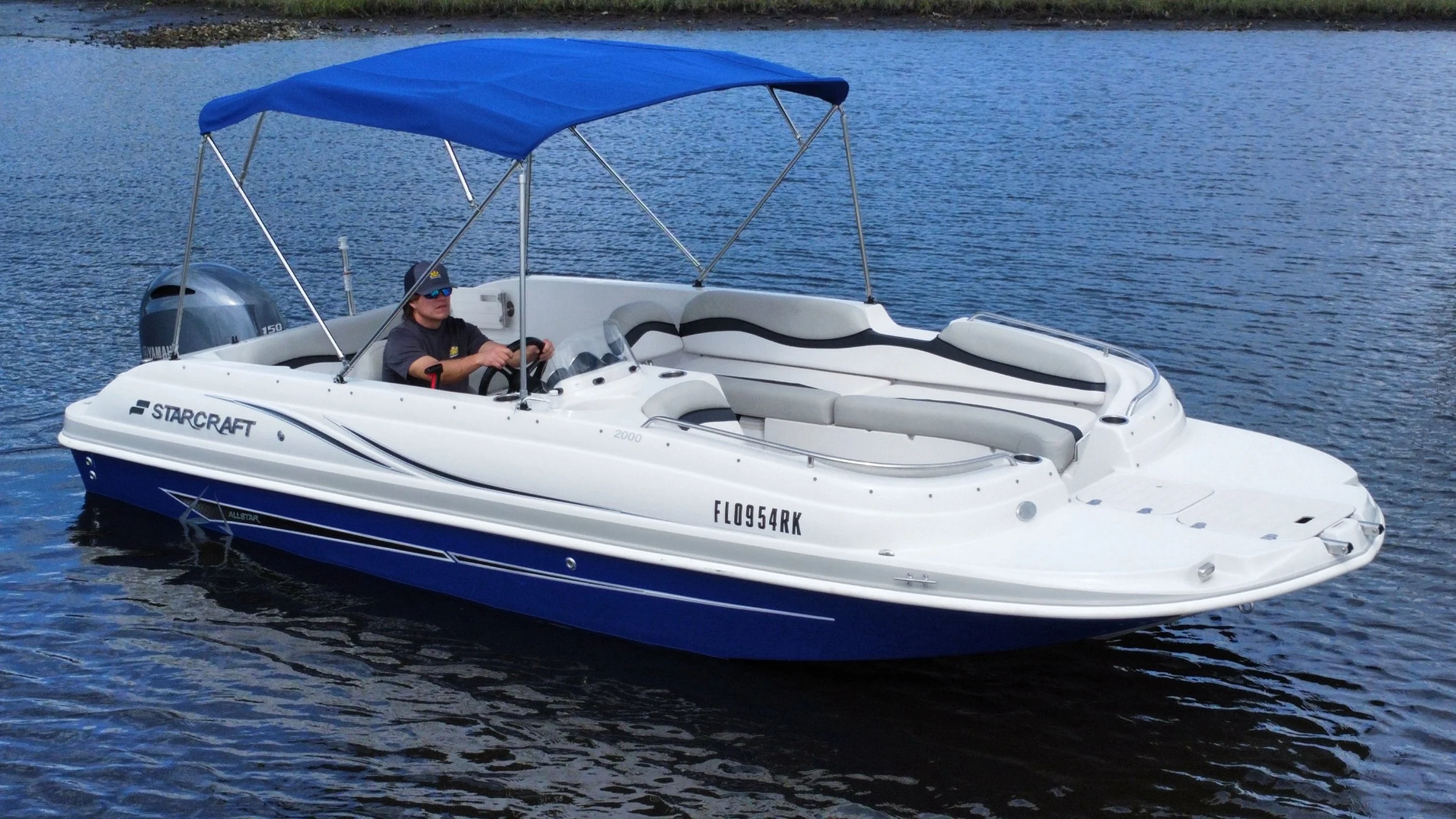
The St. Johns River, the Intracoastal Waterway, and the Atlantic beaches are the reason so many of us fell in love with Jacksonville. Keeping them healthy is on every boater. Eco-friendly boating is not about giving up the fun; it is about simple habits that protect the water, the wildlife, and the fishery for the next generation. This guide is for Northeast Florida boaters who want to enjoy the water responsibly, from managing waste to respecting manatee zones. You will get practical, local tips you can use on your very next trip, plus a look at why shared boat club access is one of the greenest ways to boat at all.
Key Takeaways
Eco-friendly boating protects Jacksonville’s waterways through small, consistent habits.
Proper waste disposal, no-discharge rules, and reef-safe sunscreen make a real difference.
Respect manatee speed zones from November through April to protect a threatened species.
Prevent fuel spills, avoid seagrass, and practice catch-and-release to keep the fishery strong.
Boat clubs reduce environmental impact by pooling fewer, professionally maintained boats.
Why Eco-Friendly Boating Matters in Northeast Florida
Jacksonville sits at the heart of a remarkable ecosystem. The St. Johns is one of the longest rivers in Florida, and its estuaries support redfish, dolphins, manatees, oyster reefs, and vital seagrass beds. What we do on the water directly affects that living system.
The U.S. Environmental Protection Agency notes that recreational boating can contribute to water pollution through fuel and oil discharge, sewage, and trash if boaters are not careful. The good news is that responsible habits eliminate most of that impact. When thousands of Jacksonville boaters make small changes, the cumulative effect on the St. Johns is significant.
The Payoff for Boaters
Cleaner water is not just an abstract goal. It means healthier fish populations, clearer swimming spots, and thriving destinations like Fort George Island and the ICW sandbars. Protecting the resource protects your own boating experience. See where these habits matter most on the cruising destinations page.
Practical Eco-Friendly Boating Habits
Sustainable boating comes down to a handful of easy practices. None of them slow down your day, and together they dramatically reduce your footprint.
Manage Waste and Sewage Correctly
Pack it in, pack it out. Bring a trash bag and never toss anything overboard, including food scraps and cigarette butts.
Use pump-out stations. Portions of the St. Johns River are federally designated no-discharge zones, meaning treated or untreated sewage cannot be released. Use marina pump-out facilities instead.
Secure loose items. Wind and wake send hats, wrappers, and plastic bottles into the water. Stow gear before you get underway.
Prevent Fuel and Oil Spills
Fuel spills harm marine life and carry stiff penalties. Fill tanks slowly, never top off, and use an absorbent pad to catch drips at the fuel dock. Watch for the fuel-vent overflow. A single boat that overfills can sheen a wide area of water. With Jax Boat Club, boats are fueled and professionally maintained before your trip, which reduces the spills that come from careless topping off.
Choose Reef-Safe Sunscreen
Common sunscreen chemicals like oxybenzone can harm marine organisms. Choose mineral-based, reef-safe sunscreen with zinc oxide or titanium dioxide. It protects your skin and the water at the same time.
Protecting Jacksonville’s Wildlife
Northeast Florida waters teem with wildlife that deserves our respect. A few simple rules keep boaters and animals safe.
Respect Manatee Speed Zones
Manatees are especially vulnerable to boat strikes. The Florida Fish and Wildlife Conservation Commission designates seasonal manatee protection zones, many active from November 15 through March 31, that require idle or slow speed. Watch for posted signs, wear polarized sunglasses to spot manatees below the surface, and slow down in shallow, grassy areas where they feed.
Mind Right Whale Season
From roughly November through April, the waters off Northeast Florida serve as the primary calving ground for the critically endangered North Atlantic right whale. Federal rules require vessels to keep well clear. Offshore boaters should stay alert and give any whale a wide berth.
Avoid Seagrass and Oyster Beds
Seagrass beds are nurseries for redfish, shrimp, and crabs, and prop scars can take years to heal. Trim your motor up in shallow water, follow marked channels, and never plow through grass flats. Jacksonville’s oyster reefs also filter the water and provide habitat, so give them room.
Sustainable Fishing Practices
Anglers have an outsized role in keeping the fishery healthy for years to come.
Catch and Release the Right Way
Use circle hooks to reduce deep hooking.
Keep fish in the water when possible and handle them with wet hands.
Revive tired fish by moving them gently forward until they swim off strong.
Follow all Florida Fish and Wildlife Conservation Commission size and bag limits.
Cut the Line, Not the Wildlife
Discarded monofilament line kills birds, turtles, and dolphins. Stow used line and drop it in a marina recycling bin. Following current fishing regulations is both the law and a conservation act. Find species information on the fishing resource center page.
Why Boat Clubs Are a Greener Way to Boat
Here is a benefit many people overlook: the shared model of a boat club is inherently more sustainable than individual ownership. It is a quiet but genuine environmental win.
Fewer Boats, Shared Efficiently
One club fleet serves hundreds of members, which means far fewer boats need to be manufactured and stored to give the same number of people access to the water. Fewer hulls built means fewer raw materials, less fiberglass, and lower lifetime impact per boater.
Professionally Maintained Engines Pollute Less
A well-tuned marine engine burns cleaner and leaks less than a neglected one. Boat clubs service their engines on a strict schedule, so members are never running a poorly maintained motor that dumps unburned fuel into the water. Explore how the shared fleet works on the entire fleet page or learn more on the FAQ page.
Locally, organizations like St. Johns Riverkeeper work year-round to monitor and protect the river, and boaters who adopt eco-friendly habits are part of that same mission.
Frequently Asked Questions
What is eco-friendly boating?
Eco-friendly boating means enjoying the water while minimizing your environmental impact. It includes proper waste and sewage disposal, preventing fuel spills, using reef-safe sunscreen, respecting wildlife zones, and practicing sustainable fishing. These simple habits protect Jacksonville’s waterways, wildlife, and fishery without reducing the fun of a day on the water.
Are there no-discharge zones on the St. Johns River?
Yes. Portions of the St. Johns River are federally designated no-discharge zones, meaning boats cannot release treated or untreated sewage into the water. Boaters must use marina pump-out stations instead. Check current designations and pump-out locations before your trip to stay compliant and protect the river.
When are manatee speed zones active in Jacksonville?
Many Jacksonville-area manatee protection zones are active from November 15 through March 31 and require idle or slow speed, though some are year-round. The Florida Fish and Wildlife Conservation Commission posts signs marking each zone. Always slow down, watch for manatees, and follow posted speeds in shallow, grassy waters.
Is a boat club better for the environment than owning a boat?
In many ways, yes. A single club fleet serves hundreds of members, so far fewer boats are built and stored to give the same number of people water access. Club engines are also professionally maintained on a strict schedule, so they burn cleaner and leak less than neglected private motors.
What sunscreen is safe for marine life?
Choose mineral-based, reef-safe sunscreen containing zinc oxide or titanium dioxide, and avoid products with oxybenzone and octinoxate, which can harm marine organisms. Reef-safe formulas protect your skin from Florida’s intense sun while keeping harmful chemicals out of the St. Johns River and coastal waters.
Boat Responsibly, Protect Jacksonville
Eco-friendly boating is simply good stewardship of the water that makes Jacksonville special. Manage your waste, prevent spills, choose reef-safe sunscreen, respect manatee and right whale zones, and fish within the rules, and you leave the St. Johns River better than you found it. Choosing a shared boat club model adds another layer of sustainability by putting fewer, professionally maintained boats on the water. Jax Boat Club members enjoy that green advantage along with unlimited access and zero maintenance worries. To boat responsibly across Northeast Florida’s most beautiful waterways, explore membership details or contact Jax Boat Club today.