Boat Safety

Boating in Jacksonville FL: The Ultimate Guide to Local Waterways

Jacksonville is a boating city in a way few other places in Florida can match. The St. Johns River runs through downtown, the Intracoastal Waterway threads north to Cumberland Island and south to St. Augustine, and the Atlantic is just past the jetties. Boating in Jacksonville FL means you have a real choice every time you head out: scenic river cruise, protected ICW run, offshore Atlantic adventure, or a dock-and-dine night at a waterfront restaurant. This guide maps the best destinations, routes, and stops within the 35-mile cruising area around Palm Cove Marina, with practical advice for planning a great day on the water.

The St. Johns River: Jacksonville’s Backbone

The St. Johns is one of the few major rivers in North America that flows north. From the mouth at Mayport to Doctor’s Lake, it offers some of the most varied scenery of any waterway in Florida.

Downtown Jacksonville Run

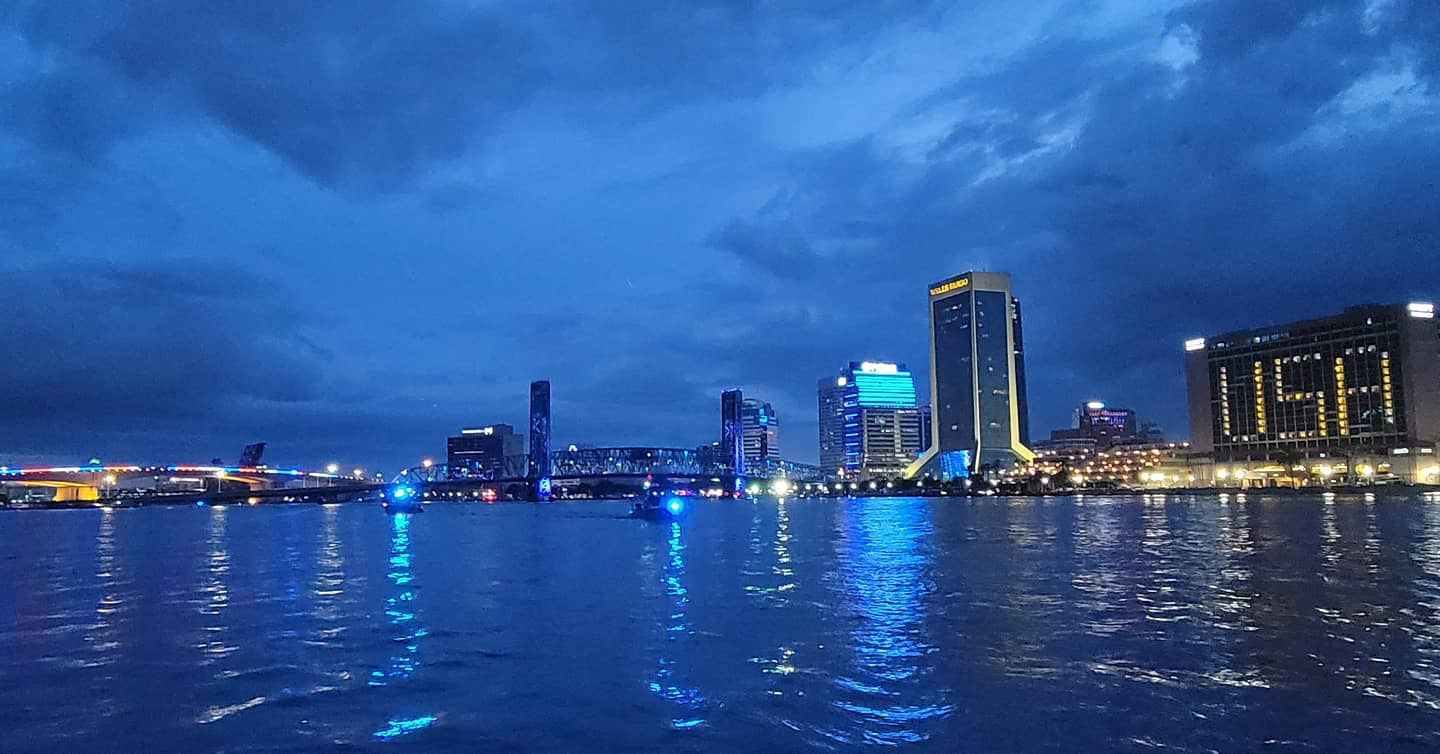
The downtown run from Palm Cove takes you under the Mathews, Hart, Main Street, Fuller Warren, and Acosta bridges, past the city skyline and the Riverside neighborhoods. This stretch is best on weekends when the water is busy and the city is alive. Watch for posted no-wake zones near downtown marinas and stay alert for commercial traffic, especially the JaxPort cruise ships and tugs.

Mandarin and Doctor’s Lake

South of downtown, the river widens and slows down. Mandarin Point, Julington Creek, and Doctor’s Lake offer calm water that is ideal for tubing and water skiing. The lake itself is a dead-end off the main river, which keeps wakes manageable and creates one of the best beginner-friendly water sports zones in the area.

Fort Caroline and Mill Cove

Heading downriver from the main marina, Fort Caroline National Park offers a quiet stop with a small dock and walking trails. Mill Cove on the south side of the river is a vast shallow flat that is great for shelling, sandbar hangouts, and inshore fishing.

For more cruising route ideas, see the Jax Boat Club cruising area page.

The Intracoastal Waterway: Protected Cruising North and South

The ICW is the highway of recreational boating in Northeast Florida. Protected from ocean swell, well-marked, and lined with restaurants and beaches, it is where most members spend their cruising time.

South to Ponte Vedra and St. Augustine

A southbound run from Palm Cove Marina takes you past Marsh Landing, the Ponte Vedra Beach communities, and eventually to St. Augustine, the southern boundary of the cruising area. This is roughly a two to three hour trip one way depending on the boat. Time your run with a falling tide southbound and an incoming tide northbound to ride the current both ways.

North to Fernandina Beach and Cumberland Island

Northbound, the ICW passes through Sisters Creek and into the Nassau River system, eventually reaching Fernandina Beach and the wild beaches of Cumberland Island, the northern boundary of the cruising area. Cumberland Island is a National Seashore famous for its wild horses, oak forests, and miles of empty beach.

Bridge Clearances and Tide Tips

Most fixed bridges along the ICW in Northeast Florida have 65 feet of vertical clearance, which is plenty for any club fleet boat. The bigger issue is no-wake zones near marinas and residential areas. Watch your speed, watch your wake, and watch for manatees in posted zones (especially November through April).

Atlantic Ocean: Beaches and Offshore Runs

When the wind cooperates, the Atlantic opens up an entirely different boating experience. From the jetties you can run north along Mayport and Atlantic Beach, south past Jacksonville Beach and Ponte Vedra, or directly out to nearshore reefs.

Beach hangs are the most popular offshore-adjacent activity: anchor in three to four feet of water, jump in the surf, and enjoy the kind of empty beach you can only reach by boat. Always check the marine forecast from NOAA before heading out, since conditions on the outside can change quickly even when the river is calm.

For longer offshore runs, the club’s fishing reefs are within easy reach for an experienced boater on a good-weather day.

The Best Dock-and-Dine Spots

Boating in Jacksonville FL is incomplete without a stop at a waterfront restaurant. The cruising area has more dock-accessible dining than most boaters realize.

Right at Home Marina

  • Marker 32: Located at Palm Cove Marina, this is the easiest dock-and-dine in the area. No additional cruising required.

ICW South

  • Lulu’s Waterfront Grille: A classic Ponte Vedra stop with dock space, a relaxed atmosphere, and reliably good seafood.

  • Palm Valley Outdoors Bar & Grill: Casual, dog-friendly, and a popular weekend stop with live music in season.

St. Augustine

  • The Conch House: A 200-slip marina with a tiki-bar atmosphere and reggae music on weekends.

  • Cap’s on the Water: Sunset views over the Tolomato River, well worth the ride south.

Always call ahead about slip availability, especially on weekends. Some restaurants take dockside reservations, others operate first come first served.

Day Trip Itineraries

A few proven day trip routes for different moods and group types:

  1. Family beach day: Run north on the ICW to Fort George Inlet, anchor at the sandbar for swimming, return for sunset on the river.

  2. Romantic sunset cruise: Head out late afternoon to the downtown skyline route, watch the sunset behind the bridges, and dock back home for dinner at Marker 32.

  3. St. Augustine adventure: Early-morning departure south down the ICW, lunch at The Conch House, walking tour of the historic district, return run timed for late-afternoon light.

  4. Cumberland Island wild day: Northbound run, beach hike, and back to Palm Cove before dark. Plan fuel stops carefully.

A boat club takes the planning friction out of these trips. Members can book through their private reservation account, pick the right boat for the day, and let the club handle fuel, cleaning, and prep.

Match the Boat to the Mission

Different waterways and activities call for different boats. The Jax Boat Club fleet is built around this idea.

  • Bow riders for cruising, water sports, and family days

  • Deck boats for big groups and tubing

  • Center consoles and inshore skiffs for fishing

  • Sundeck boats for sunset cruises and waterfront dining

See the full fleet page to match a boat to your trip plan. Members can switch boats trip to trip, which is one of the major advantages of membership over ownership.

Common Questions About Boating in Jacksonville FL

Q: Where is the best place to go boating in Jacksonville? A: It depends on what you want. The St. Johns River downtown is the most scenic, the ICW is the most protected, and the Atlantic is the most adventurous. For first-timers, the ICW south toward Ponte Vedra is hard to beat.

Q: How far can I go boating from Palm Cove Marina? A: Jax Boat Club’s cruising area extends 35 miles from Palm Cove Marina, reaching Cumberland Island to the north, Doctor’s Lake to the west, and the San Sebastian River south of St. Augustine to the south.

Q: What are the best dock-and-dine restaurants in Jacksonville? A: Marker 32 at Palm Cove, Lulu’s Waterfront Grille, and Palm Valley Outdoors are the local favorites. The Conch House and Cap’s on the Water are worth the run south to St. Augustine.

Q: Do I need offshore boating experience to go on the Atlantic? A: Some. Offshore boating in Northeast Florida requires checking marine weather, understanding inlet conditions, and being comfortable with bigger water. The included Jax Boat Club training covers these skills before members head out solo.

Q: When is the best time of year for boating in Jacksonville? A: Spring and fall offer the most comfortable conditions and the busiest waterway scenes. Summer is great but afternoon thunderstorms are common. Winter boating is genuinely possible on warm-weather days, especially for fishing.

Conclusion

Boating in Jacksonville FL gives you a richer mix of experiences than almost anywhere in Florida: a downtown river, a protected ICW, an open Atlantic, two dozen dock-and-dine restaurants, and destinations from wild beaches to historic city centers. Plan your trip around the waterway and the season, match the boat to the mission, and respect the no-wake and manatee zones along the way. Ready to start exploring without owning a boat? Contact Jax Boat Club and find out how membership puts the entire 35-mile cruising area within reach.


What Is a Boat Club? A Complete Guide to Membership Boating

You love the idea of boating. Sunny afternoons on the St. Johns River. Weekend fishing trips. Sunset cruises with the family. But the price tag of buying a boat (and the stress of maintaining one) keeps stopping you. So what is a boat club, and could it be the answer?

A boat club is a membership program that gives you unlimited access to a fleet of boats without the cost or hassle of ownership. You pay a one-time fee to join and a monthly due. The club handles everything else: storage, cleaning, repairs, insurance, and even training. You just show up, pick a boat, and head out on the water.

In this guide, we break down how boat clubs work, what membership really includes, and how clubs stack up against owning or renting. By the end, you will know if joining a boat club is the smart move for your lifestyle.

How Does a Boat Club Work?

A boat club is built on a simple idea: shared access. Instead of one family owning a single boat, dozens of members share a curated fleet of vessels. The club takes care of the boats. You take care of having fun.

Most clubs follow the same basic structure. You pay a one-time initiation fee when you join. After that, you pay a flat monthly due. There are no per-trip charges, no daily rental rates, and no surprise bills. The only extra cost is the fuel you burn during your outings.

The Membership Model

When you join a boat club, you become part of a private community with shared rights to use the fleet. At Jax Boat Club, members get access to a fleet of pleasure and fishing boats from 16 to 27 feet. You can boat as often as you want, as long as you book your time in advance.

Here is how a typical month looks for a member: - Reserve a boat online through a private member portal - Show up at the marina on your booking day - Hop on a boat that is fueled, cleaned, and ready to go - Spend the day fishing, cruising, or doing water sports - Return the boat and head home (no cleanup, no trailer, no storage)

That simplicity is the heart of the boat club model.

What Is Included in Membership

Boat club memberships are designed to be all-inclusive. The whole point is to remove the friction of getting on the water. At a quality club, your dues cover:

  • Unlimited access to the entire fleet

  • All maintenance, cleaning, and repairs

  • Insurance on every boat

  • Year-round storage at the marina

  • US Coast Guard safety equipment on every vessel

  • Hands-on boating training (no experience required)

  • Marina amenities like pool, showers, restrooms, and parking

  • Water sports gear: skis, wakeboards, tubes, kneeboards, and life jackets

If you have ever owned a boat, you know how many separate bills add up. A boat club rolls them all into one predictable payment. Want to know the full breakdown of boat club membership costs? It is laid out plainly so you can budget with confidence.

Boat Club vs. Boat Ownership

Buying a boat sounds like a dream until you read the fine print. The purchase price is just the beginning. Ownership comes with a long list of recurring costs and responsibilities that catch most first-time buyers off guard.

The True Cost of Owning a Boat

When you own a boat, you are also responsible for: - The boat loan or upfront purchase (often $40,000 to $100,000+) - Insurance (typically $500 to $1,500 per year) - Marina slip rental ($200 to $600 per month in the Jacksonville area) - Annual maintenance, hull cleaning, and engine service - Winterization and detailing - Depreciation (boats lose 10 to 15 percent of their value each year, according to BoatUS) - Fuel, of course

Most owners use their boats fewer than 25 days a year. That means a $60,000 boat sits unused 90 percent of the time while bills keep piling up.

Why Membership Often Wins

A boat club flips the math. Your costs are predictable, and your access is unlimited. You can boat 100 days a year for the same monthly due as someone who only boats 10 times. There is no resale headache, no slip search, and no winter storage scramble.

You also get variety. Want to take a 27-foot bow rider out for a family cruise this Saturday and a 19-foot Scout for inshore fishing next weekend? With ownership, you would need two boats and two sets of bills. With a club, you just book the boat that fits the day.

For most recreational boaters, joining a club is more affordable, less stressful, and more flexible than owning. The only people who tend to come out ahead with ownership are folks who boat 100+ days a year or compete in fishing tournaments.

Boat Club vs. Boat Rental

Renting a boat sounds like a low-commitment way to get on the water. And for a one-time visitor, it can be. But for anyone who plans to boat more than a few times a year, the cost adds up fast.

A typical Jacksonville rental runs $300 to $600 per day. Rent a boat once a month and you are spending $3,600 to $7,200 a year. That is more than most boat club memberships, and you do not get any of the included perks.

Key Differences

When you rent, you get the boat for that day only. You pay a damage deposit. You may not get any training. The boat may be unfamiliar each time. Water sports gear is often an extra charge.

When you join a boat club, you get to know the fleet. The same boats are there every weekend. Training is included. Water sports gear is included. There is no damage deposit, just a private community of fellow boaters who treat the boats like their own.

Curious how rentals stack up in real numbers? Compare your options before you decide.

Boat Club vs. Fractional Ownership

Fractional ownership is a third option you might run across. Under this model, you and a small group of co-owners split the purchase price and share access on a schedule. Each owner gets a set number of days per month or per year.

It sounds like a compromise, but it has drawbacks. You still own a piece of a boat, which means you still share in maintenance, insurance, and depreciation. You only get access to one boat (not a fleet). And if the partnership goes sour, untangling ownership is a legal headache.

A boat club gives you fleet variety, no ownership burden, and no partnership drama. For most people, it is the simpler path.

Common Questions About Boat Clubs

People ask the same questions when they first hear about membership boating. Here are the most common ones, answered.

Q: How does a boat club work for beginners? A: A good boat club welcomes beginners. At Jax Boat Club, comprehensive training is included at no extra cost. New members learn boat operation, docking, slip entry, and the local cruising area before they ever take a boat out alone. No prior experience is required.

Q: Can I bring guests on a boat club boat? A: Yes. Most clubs allow members to bring guests up to the boat’s published capacity. At Jax Boat Club, you can bring unlimited guests as long as the total stays within the boat’s safe passenger limit (some boats hold up to 12 people).

Q: What happens if I damage a club boat? A: Boats are insured by the club. Members are typically responsible for a small deductible if damage occurs due to negligence, but normal wear and tear is covered. The club handles all repairs so you never deal with mechanics or claims directly.

Q: How is a boat club different from a yacht club? A: A yacht club is usually a social club where members own their own boats and pay dues for the clubhouse, dining, and events. A boat club provides the boats themselves. You do not need to own anything to join a boat club, and there are no fancy social commitments.

Q: Is a boat club worth it for occasional boaters? A: For most recreational boaters, yes. If you plan to boat more than 10 to 15 times a year, the math usually favors a club over renting or owning. Casual boaters get the most value because they avoid the high fixed costs of ownership while still enjoying frequent access.

Conclusion: Is a Boat Club Right for You?

A boat club is the simplest way to enjoy boating without the cost, time, and headaches of ownership. You get unlimited access to a fleet, included training, full insurance, and a clean boat ready to roll every time you visit. For most families, fishing fans, and water sports lovers, a quality boat club delivers more boating per dollar than owning or renting.

If you live in or near Jacksonville and you want to spend more time on the water this season, explore the Jax Boat Club fleet and see what membership looks like. You can also ask us anything if you have a question we did not cover. The water is waiting. Join a boat club, skip the hassles, and start enjoying the part of boating that matters most.


How to Choose the Best Fishing Boat (Center Console vs. Dual Console) for Northeast Florida Waters

Fishing in Northeast Florida offers some of the most rewarding experiences on the water. Whether you are casting lines in the Intracoastal Waterway, exploring the St. Johns River, or venturing out into the Atlantic Ocean, having the right fishing boat can make all the difference. Two popular types of fishing boats in this region are center console and dual console boats. Each has its own advantages and features that cater to different fishing styles and preferences.

If you are wondering how to choose between a center console and a dual console boat for fishing in Northeast Florida waters, this guide will help you understand the key differences and decide which boat suits your needs best.

Center Console Boats: The Classic Angler’s Choice

Center console boats are characterized by a helm station located in the middle of the boat, providing 360-degree access around the deck. This open design is highly favored by serious anglers because it maximizes fishing space and allows for easy movement while casting, fighting fish, or managing gear.

One of the biggest advantages of center console boats is their versatility. They are well-suited for both inshore and offshore fishing, making them ideal for Northeast Florida’s diverse waterways. Whether you are targeting redfish in the marshes or heading offshore for snapper and grouper, a center console boat offers excellent performance and handling.

The open layout also means you have plenty of room for fishing equipment, live wells, rod holders, and tackle storage. Many center console boats come equipped with powerful engines, allowing for quick trips to your favorite fishing spots.

However, because of their open design, center console boats offer limited protection from the elements. While many have T-tops or hardtops for shade, they generally lack the enclosed seating areas found on other boat types.

Dual Console Boats: Comfort Meets Functionality

Dual console boats feature two separate consoles with a walk-through windshield in between. This design creates a more comfortable and protected seating area at the front of the boat, making it a popular choice for families and anglers who want a mix of fishing and leisure.

In Northeast Florida, dual console boats are great for anglers who want to enjoy fishing but also value comfort and versatility. The forward seating area provides shelter from wind and spray, and the boats often have additional amenities such as cooler storage, stereo systems, and cushioned seating.

While dual console boats may have slightly less open fishing space compared to center consoles, they still offer ample room for fishing activities. They are perfect for those who want to bring along non-anglers or enjoy a day on the water with friends and family.

These boats perform well in a variety of water conditions and are suitable for both inshore and nearshore fishing trips.

Factors to Consider When Choosing Your Fishing Boat

Fishing Style and Location

If your primary focus is serious fishing with quick access to all sides of the boat, a center console is likely your best bet. The open deck is ideal for casting and handling fish.

If you want a boat that balances fishing with family outings or leisurely cruises, a dual console offers more comfort and seating options.

Group Size and Passenger Comfort

Consider how many people you typically bring on your trips. Dual console boats provide more comfortable seating and shelter, which is great for larger groups or guests who prefer a relaxed ride.

Center consoles are more utilitarian but offer plenty of open space for anglers.

Protection from Weather

Northeast Florida’s weather can be unpredictable. If you often fish in conditions where protection from sun and spray matters, a dual console’s enclosed seating area can be a big advantage.

Center consoles usually rely on T-tops for shade but have less protection overall.

Storage and Amenities

Both boat types offer storage for fishing gear, but center consoles tend to have more dedicated fishing features such as rod holders and live wells.

Dual consoles often include additional amenities geared toward comfort, like coolers and stereo systems.

Why Choose Jax Boat Club

Jax Boat Club offers a fleet of both center console and dual console boats, allowing members to select the perfect vessel for their fishing adventures in Northeast Florida. With easy access to the St. Johns River, Intracoastal Waterway, and Atlantic Ocean, the club provides flexibility and convenience for anglers of all preferences.

Choosing between a center console and a dual console fishing boat depends on your fishing style, group size, and how you want to enjoy your time on the water. Center console boats are the go-to choice for anglers who prioritize fishing space and versatility, while dual console boats offer a comfortable, family-friendly option without sacrificing fishing capabilities.

By understanding the strengths of each boat type and considering your specific needs, you can select the best fishing boat to make the most of your Northeast Florida fishing adventures. Whether you prefer the open layout of a center console or the cozy comfort of a dual console, having the right boat enhances every moment spent on the water.


Tidal Timing 101: How to Plan Your Jacksonville Boat Trip Around the Tides

Tidal Timing 101: How to Plan Your Jacksonville Boat Trip Around the Tides

If you’ve spent any time on the water in Northeast Florida, you know that the tides aren’t just background scenery—they’re the heartbeat of every boating adventure. From fishing to cruising, docking to dolphin watching, the rise and fall of the water shapes your experience on the St. Johns River and along Jacksonville’s coast.