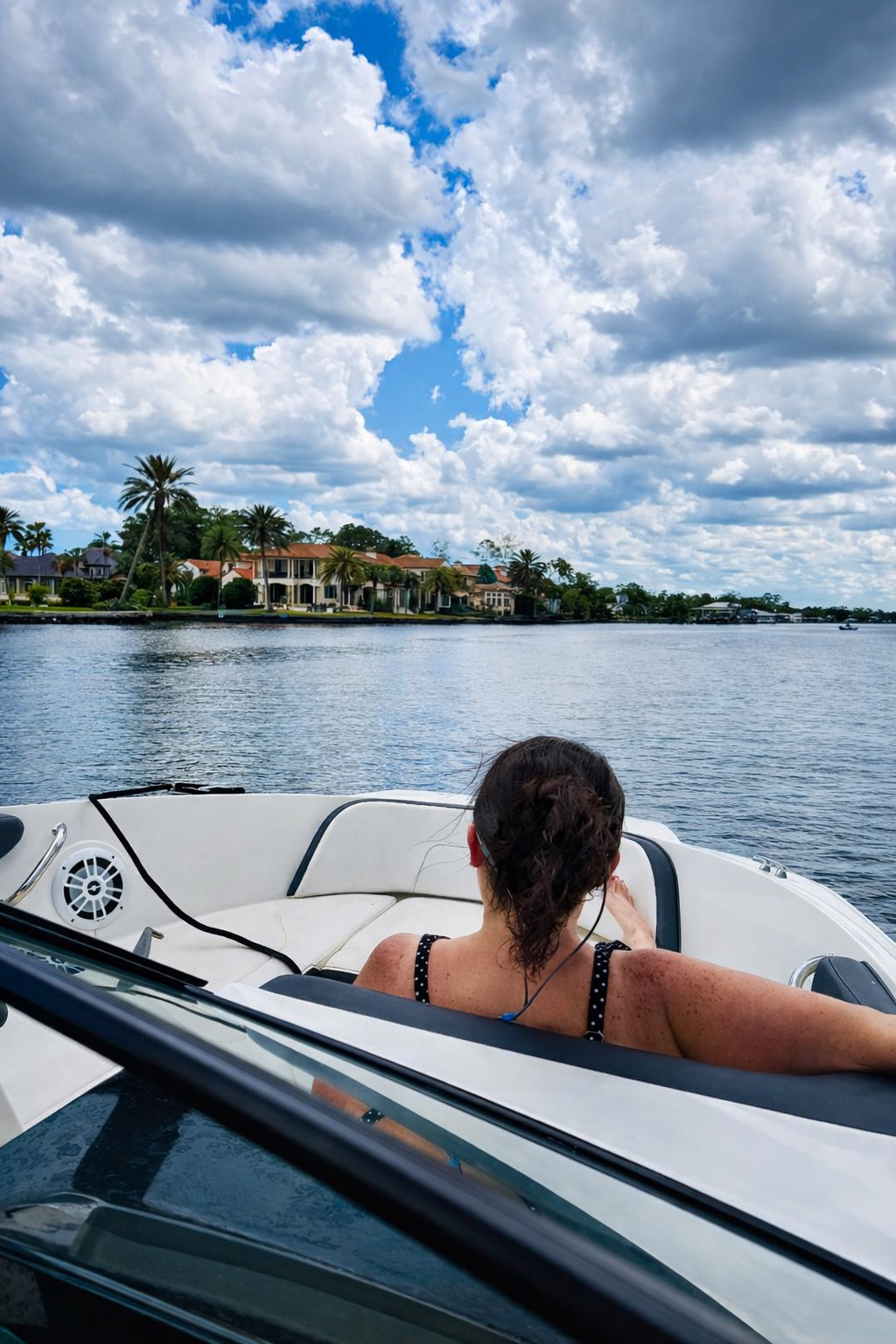
Moving to Jacksonville? Here’s Why It’s One of the Best Boating Cities in Florida

Introduction

People move to Florida for the sunshine. But the ones who move to Jacksonville? They come for the water.

Jacksonville sits at the mouth of the St. Johns River, the longest river in Florida, with direct access to the Atlantic Ocean, the Intracoastal Waterway, and over 40 miles of pristine beaches. It is one of the few cities in the state where you can fish inshore in the morning, cruise to a barrier island for lunch, and dock at a waterfront restaurant for dinner — all in the same day.

If you are considering a move to Northeast Florida and love being on the water, you are looking at one of the best boating cities in the entire state. And unlike the crowded marinas and congested waterways of South Florida, Jacksonville gives you room to breathe — and room to run. Here is everything you need to know about boating in Jacksonville Florida, from the waterways themselves to the neighborhoods, costs, and how to get started from day one.

Jacksonville by the Numbers: A City on the Rise

Jacksonville is not just a great boating city. It is one of the fastest-growing major cities in the United States. According to the U.S. Census Bureau, Jacksonville officially surpassed 1 million residents in 2024, making it the 10th most populous city in the nation. The metro area population has climbed to over 1.36 million and continues to grow at a steady pace.

What is driving the growth? A strong job market, no state income tax, and a cost of living that makes other Florida cities look expensive. Jacksonville is roughly 31% more affordable than Miami and significantly cheaper than Fort Lauderdale, which carries a cost of living 23% higher than the state average. The median home price in Jacksonville sits around $280,000 — well under the statewide median of $362,000.

For boaters, that affordability means more money in the budget for what matters most: getting out on the water. Slip fees, fuel, and marine services are all more accessible here than in Southeast Florida. And the waterways? Far less crowded. You will not spend your weekends jockeying for position in a no-wake zone or circling a sandbar packed elbow-to-elbow with hundreds of other boats.

The Waterways: What Makes Jacksonville a Boater’s Paradise

The real star of boating in Jacksonville Florida is the water itself. Few cities in the country offer this combination of river, ocean, and coastal waterway access all from one home port.

The St. Johns River

The St. Johns River is the longest river in Florida at 310 miles, and it is one of only a handful of rivers in the entire country that flows north. It winds through the heart of Jacksonville, connecting boaters to everything from downtown’s urban waterfront to the wild marshes of Fort George Island.

The river is broad and navigable, with access to marinas, waterfront dining, parks, and wildlife areas along its banks. You can cruise from Palm Cove Marina to the Jacksonville Zoo by boat, dock near the Riverside Arts Market on a Saturday morning, or head south toward Doctors Lake and Green Cove Springs for a change of scenery.

The Atlantic Ocean and Intracoastal Waterway

Jacksonville’s position at the coast gives boaters direct access to the Atlantic Ocean through the St. Johns River inlet. Once offshore, you are in some of the best fishing and cruising waters on the Eastern Seaboard.

The Intracoastal Waterway (ICW) runs right through the Jacksonville area, providing over 40 miles of protected inland waterway perfect for cruising, fishing, and exploring barrier islands. The ICW connects you north to Amelia Island and Fernandina Beach, and south all the way to St. Augustine — a cruising range that covers some of the most scenic coastline in Florida.

40+ Miles of Beaches

Jacksonville boasts over 40 miles of Atlantic beaches, from the family-friendly shores of Jacksonville Beach to the quiet stretches of Little Talbot Island. These are not just sunbathing destinations. They are boating destinations — accessible sandbars, tidal creeks, and barrier islands that you can only reach by boat.

For a closer look at every waterway and destination within reach, check out the Jax Boat Club cruising area map.

Best Neighborhoods for Boaters

If you are moving to Jacksonville and boating is part of your lifestyle plan, where you live matters. Here are the neighborhoods and communities that put you closest to the water.

Atlantic Beach and Neptune Beach

These beach communities sit right along the coast with quick access to the ICW and the ocean. The vibe is laid-back, the commute to the water is measured in minutes, and the local culture revolves around salt air and boat shoes. Atlantic Beach also borders Kathryn Abbey Hanna Park, a local favorite for kayaking, paddleboarding, and waterfront trails.

Jacksonville Beach

Home to Palm Cove Marina and a thriving boating community, Jacksonville Beach offers the best of both worlds — beach town living with direct access to the ICW and a short run to the ocean inlet. If you want to be close to the action and close to the water, this is the spot.

Ponte Vedra Beach

South of the beaches, Ponte Vedra offers a quieter, more upscale boating lifestyle with access to the ICW and some of the best inshore fishing in the area. It is a popular choice for families who want waterfront living without the density of a beach town.

Riverside and Avondale

These historic neighborhoods along the St. Johns River are a favorite for boaters who love the urban waterfront lifestyle. You are minutes from downtown, the Riverside Arts Market, and multiple marinas that connect you to the full length of the river. Riverside and Avondale prove that you do not have to live at the beach to live on the water.

Queens Harbour and Waterfront Communities

For boaters who want a dock in their backyard, communities like Queens Harbour and Pirates Bay offer private waterfront living with deep-water access to the ICW and the river. These neighborhoods are built around the boating lifestyle from the ground up.

What Newcomers Need to Know: Florida Boating Basics

If you are moving to Jacksonville from out of state, there are a few things to know before you hit the water.

Florida Boating Education Requirements

Florida requires anyone born on or after January 1, 1988 to complete an approved boating safety education course before operating a vessel with a motor of 10 horsepower or greater. The course is available online through the FWC and other approved providers. Once you pass, your boating education ID card is good for life.

If you are a Jax Boat Club member, your training is included with membership. The club’s experienced captains will teach you everything you need to know about local waterways, navigation, docking, and boat handling before you ever leave the dock. It is the fastest way to get comfortable and confident on Jacksonville’s waters.

Year-Round Boating Weather

One of Jacksonville’s biggest advantages over other boating cities is its climate. You can boat here 12 months a year. Summers are warm and perfect for offshore runs and beach days. Fall and spring deliver mild temperatures and calm waters ideal for cruising. Even winter in Northeast Florida offers plenty of comfortable boating days — something you will not find in most of the country.

Less Crowded Waterways

If you have boated in Miami, Fort Lauderdale, or the Keys, you know what crowded waterways feel like. Jacksonville is different. The sheer volume of navigable water — river, ocean, ICW, and tidal creeks — spreads boaters out. You can find secluded anchorages, uncrowded sandbars, and peaceful fishing spots even on a busy weekend.

Where to Go: Jacksonville’s Best Boating Destinations

Part of what makes the Jacksonville boating lifestyle so appealing is the range of destinations within easy reach. From your home port, you have a 35-mile cruising radius that covers some of the best spots on the First Coast.

North: Cumberland Island and Fernandina Beach

Head north on the ICW and you will reach Amelia Island and the charming waterfront town of Fernandina Beach, with its shrimp boats, historic downtown, and excellent waterfront restaurants. Keep going and you can reach Cumberland Island, Georgia — a pristine barrier island with wild horses, undeveloped beaches, and some of the most unspoiled coastline on the East Coast.

South: St. Augustine

Cruise south and you will arrive in St. Augustine, the oldest city in the United States. Dock at the municipal marina and explore the historic district, the Castillo de San Marcos, or the St. Augustine Lighthouse. It is one of the most popular day trips for Jacksonville boaters and a destination that never gets old.

Local Favorites

Closer to home, boaters love Fort George Island for its natural beauty and kayak trails, the Jacksonville Zoo (accessible by boat), and the growing collection of waterfront restaurants along the ICW and the St. Johns River. For anglers, the fishing around Jacksonville is world-class — redfish, trout, flounder, sheepshead, and offshore species like kingfish, cobia, and mahi-mahi.

How to Get on the Water Without Buying a Boat

Here is the part that surprises a lot of newcomers: you do not need to buy a boat to live the Jacksonville boating lifestyle. In fact, more and more boaters — especially people new to the area — are choosing boat club memberships over boat ownership.

The math is simple. Buying a boat means a purchase price, insurance, maintenance, storage, winterization, depreciation, and surprise repairs. A boat club membership gives you access to a full fleet of boats with none of those headaches.

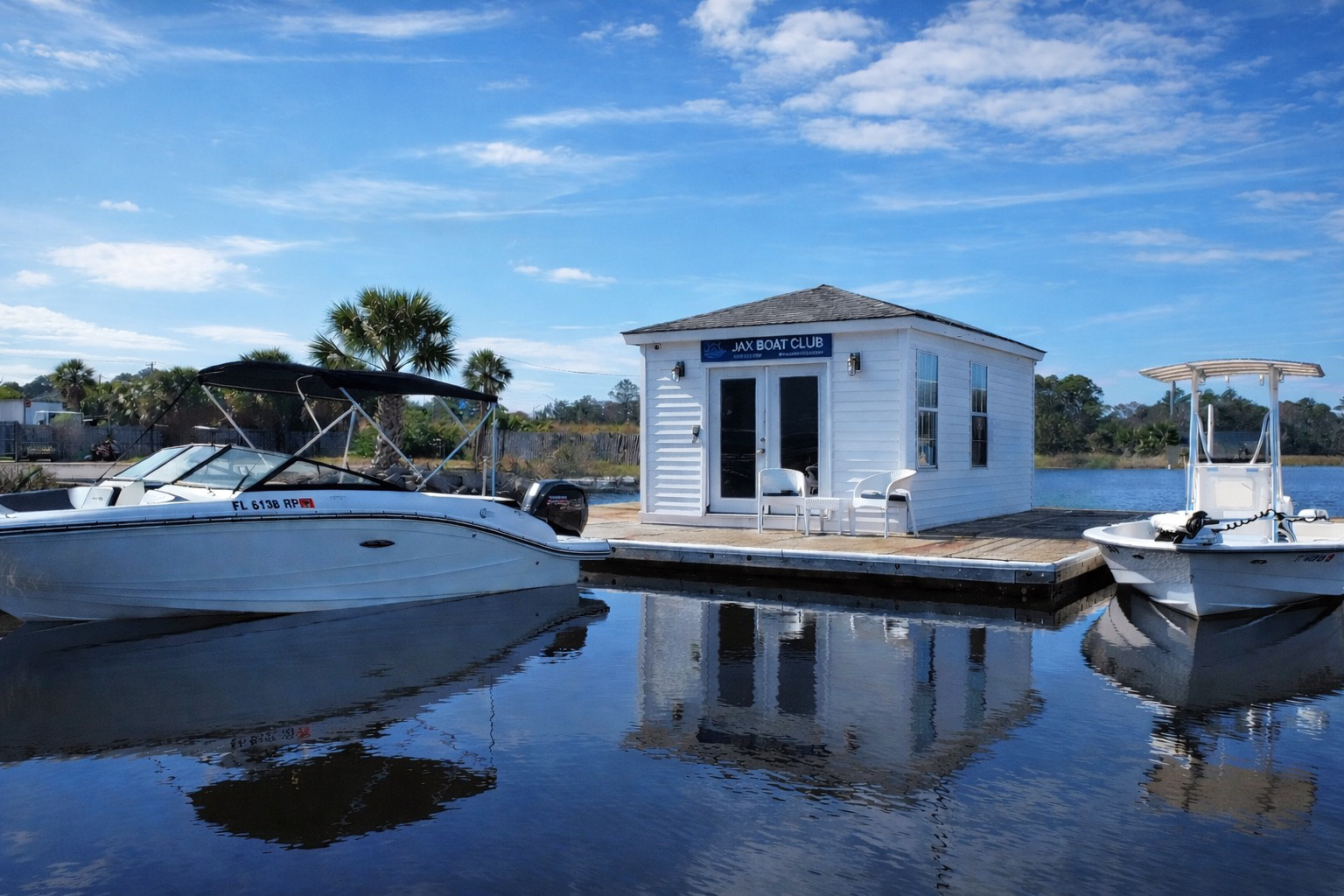
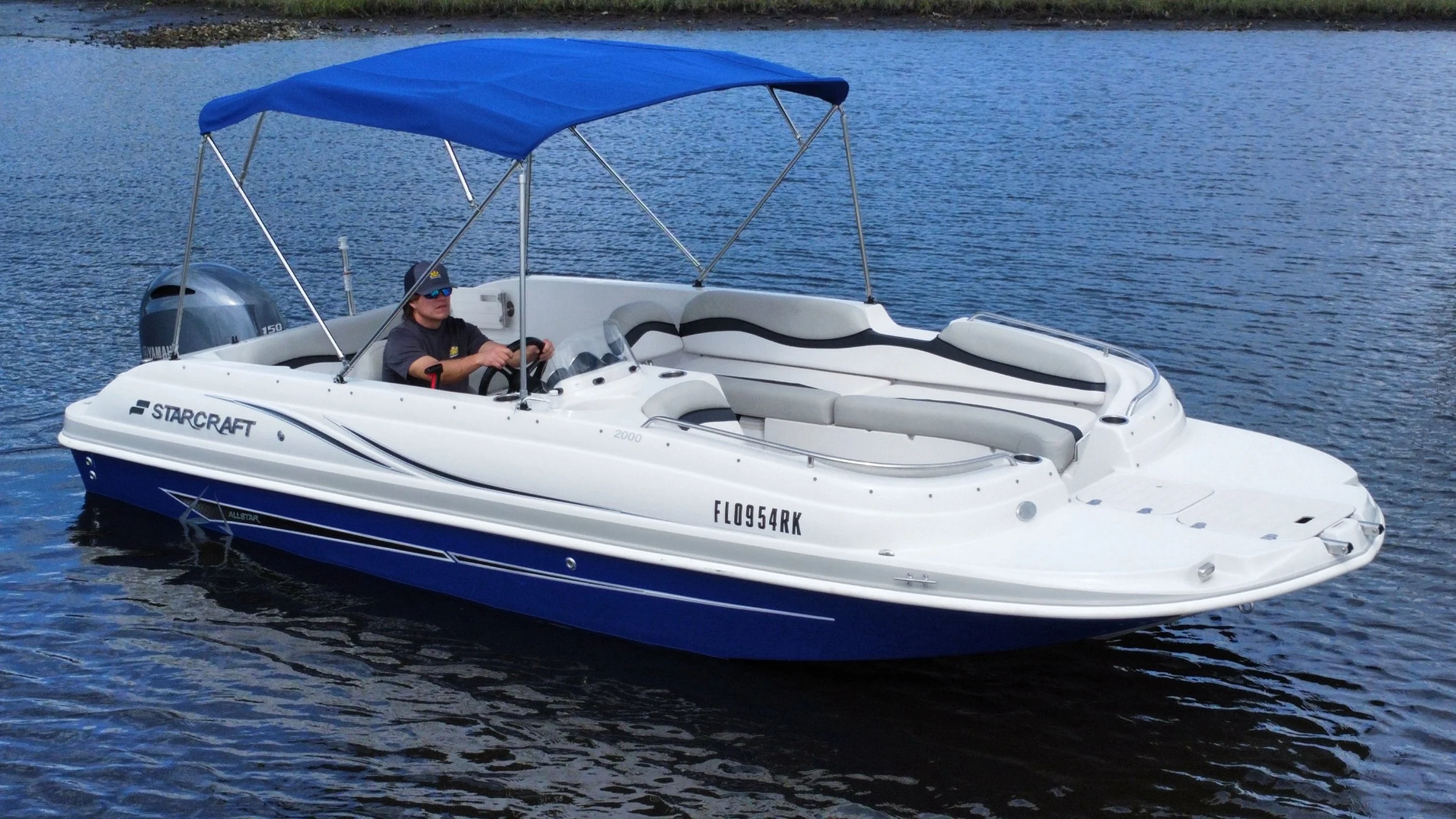
Jax Boat Club is Jacksonville’s premier private boat club, based at Palm Cove Marina in Jacksonville Beach. With over 15 years of serving local boaters, the club offers access to a fleet of 16- to 27-foot boats covering every type of boating — fishing boats, center consoles, deck boats for cruising, and sport boats for wakeboarding and tubing.

Membership includes a one-time initiation fee of $3,500 to $4,500 and monthly dues of $300 to $350, with unlimited boating. No fuel surcharges. No hidden fees. Just show up, pick your boat, and go.

For newcomers to Jacksonville — and especially for people who are new to boating entirely — the club is the fastest way to get on the water. Training is included with every membership. You will learn from captains who know these waterways better than anyone, and you will have the confidence to explore from your first trip out.

The club is BBB A+ rated and has been the home of Jacksonville boating for more than 15 years. If you have questions about how it works, the FAQ page covers everything, or you can reach out directly to talk with the team.

The Boating Community: What Makes Jacksonville Different

Moving to a new city is about more than geography. It is about finding your people. And in Jacksonville, the boating community is one of the most welcoming you will find anywhere.

Jacksonville boaters are a mix of lifelong locals and transplants from all over the country who came here for exactly the reasons you are reading this article. The culture is relaxed, helpful, and inclusive. Nobody cares whether you own a 40-foot sportfisher or you are learning to dock a 16-foot skiff. What matters is that you are out on the water.

Boat clubs, fishing tournaments, raft-ups, and waterfront events are a regular part of life here. The city’s waterfront parks and marinas host community events throughout the year, and it is easy to meet other boaters who share your interests — whether that is offshore fishing, island hopping, sunset cruises, or just anchoring up at a sandbar with friends.

For people relocating to Jacksonville, joining a boat club is one of the fastest ways to build a social circle and feel at home. You instantly connect with a community of people who love the water and know the area.

Conclusion

Jacksonville is not just a great place to live. It is one of the best places in Florida to live the boating lifestyle. The combination of the St. Johns River, the Atlantic Ocean, the Intracoastal Waterway, 40-plus miles of beaches, year-round weather, and an affordable cost of living makes it hard to beat.

And you do not have to figure it all out on your own. Jax Boat Club has been helping newcomers and experienced boaters alike get on the water for more than 15 years. With a full fleet, included training, and a community that welcomes you from day one, membership is the easiest way to start your Jacksonville boating life — no boat purchase required.

If you are moving to Jacksonville and the water is calling, explore the fleet, check out the cruising area, or get in touch to learn how Jax Boat Club can put you on the water from the moment you arrive.

Welcome to Jacksonville. The water is waiting.


Sunset Cruises in Jacksonville: Where to Go and How to Plan the Perfect Evening

Introduction

There is a moment on the water in Jacksonville when everything changes. The sky shifts from blue to gold, the wind drops, and the light turns the St. Johns River into something out of a painting. If you have ever been on a sunset cruise in Jacksonville, you already know the feeling. If you have not, you are missing one of the best experiences this city offers.

Jacksonville sits at the intersection of the St. Johns River, the Intracoastal Waterway, and the Atlantic Ocean. That gives you more sunset cruising options than almost any coastal city in Florida. Whether you want a skyline backdrop, a quiet marsh, or a wide-open ocean horizon, there is a route that delivers exactly the evening you are imagining.

This guide covers the three best sunset cruise routes from Palm Cove Marina, seasonal timing so you never miss golden hour, what to bring, and where to grab dinner before or after your ride.

The Three Best Sunset Cruise Routes in Jacksonville

Not all sunsets are created equal. The route you choose changes everything — the views, the water conditions, and the overall feel of the evening. Here are the three routes that consistently deliver the most memorable sunset boat rides in Jacksonville.

Route 1: St. Johns River Downtown Skyline Run

This is the route for people who want drama. Head north from Palm Cove Marina up the Intracoastal Waterway, then turn west onto the St. Johns River toward downtown Jacksonville. As the sun drops behind the city, the skyline silhouettes against bands of orange and pink. The Main Street Bridge, the Acosta Bridge, and the Dames Point Bridge light up one by one as dusk settles in.

The downtown run is best on calm evenings when the river is glassy. You will pass Riverside and San Marco along the way, and the reflection of the city lights on the water after sunset is stunning. This is the route couples choose for anniversary cruises and the one photographers request when they want that signature Jacksonville shot.

Best for: Date nights, special occasions, city views, photography.

Time needed: About 90 minutes to two hours round trip from Palm Cove Marina.

Route 2: ICW South Toward Ponte Vedra

If you prefer calm water and nature over city lights, head south on the Intracoastal Waterway toward Ponte Vedra. This stretch of the ICW is protected from ocean swells, so the water stays flat and easy. The marshes on either side glow golden as the sun goes down, and you will likely see dolphins, pelicans, herons, and the occasional manatee during warmer months.

The ICW south route is the most relaxing option. There is no rush, no wake zones keep the water smooth, and the wide-open marsh views give you an unobstructed western horizon. Pull back on the throttle, drift, and let the evening happen around you.

Stop at Palm Valley Outdoors Bar & Grill on the way back for a drink at the dock. It is one of the best waterfront spots in the area and sits right on the ICW.

Best for: Families, relaxation, wildlife viewing, calm water.

Time needed: About 60 to 90 minutes round trip.

Route 3: Open Water Near the Jetties

For the most dramatic sunset you will ever see, head east toward the St. Johns River inlet and the jetties. Out past the mouth of the river, there is nothing between you and the horizon but open Atlantic water. The sun does not set behind buildings or trees here — it sinks straight into the ocean in every shade of red, orange, and purple you can imagine.

This route requires some planning. Check the tides and wind before you go. An outgoing tide combined with an east wind can create choppy conditions at the inlet, so pick a calm evening with a slack or incoming tide. According to NOAA tide predictions for Mayport, timing your departure around slack tide gives you the smoothest ride through the inlet.

Once you are past the jetties, the ocean opens up and the sky is enormous. Turn the boat west to watch the sunset light up the Jacksonville Beach coastline, or face east and watch the colors reflect off the water behind you. Either way, it is unforgettable.

Best for: Adventure seekers, dramatic views, experienced boaters, ocean horizon sunsets.

Time needed: About 90 minutes to two hours round trip from Palm Cove Marina.

When to Go: Seasonal Sunset Timing in Jacksonville

Timing is everything on a sunset cruise. Leave too early and you are just cruising. Leave too late and you miss the show. Jacksonville’s sunset time shifts dramatically across the year, so planning ahead makes a real difference.

Summer Sunsets (June Through August)

Summer is the most popular season for evening boating in Jacksonville, and for good reason. The sun does not set until around 8:20 to 8:30 PM, which gives you a long, warm evening on the water. You can leave Palm Cove Marina at 6:30 PM and still have nearly two hours of golden light ahead of you.

Summer evenings are also the calmest. Afternoon sea breezes usually die down by 6:00 PM, and the water flattens out beautifully. The air stays warm well into the night, so you will not need anything heavier than a t-shirt.

Fall and Spring Sunsets (September Through November, March Through May)

Fall and spring offer arguably the best sunset colors in Jacksonville. The lower sun angle produces deeper reds and oranges, and the slightly cooler air reduces haze. Sunset times range from about 6:15 PM in early fall to 7:30 PM in late spring.

These shoulder seasons also mean fewer boats on the water. You will have the ICW, the river, and even the jetties largely to yourselves on weekday evenings. According to TimeAndDate.com’s Jacksonville sun data, the sun angle during fall equinox creates some of the year’s most vivid color displays.

Winter Sunsets (December Through February)

Winter sunsets are early — as early as 5:30 to 5:45 PM in late December. That means your sunset cruise starts in the late afternoon. Leave Palm Cove by 4:00 PM to catch golden hour on the water.

The tradeoff? Winter sunsets in Jacksonville are often spectacular. Cool, dry air produces crystal-clear skies, and the low sun angle stretches the golden hour longer than any other season. Bring a jacket or blanket because temperatures on the water drop quickly once the sun goes down.

Tide and Weather Tips for Evening Boating in Jacksonville

Read the Tides Before You Go

Tides matter more than most people realize on an evening cruise. Here is the quick version:

  • Outgoing tide in the evening generally means smoother water on the ICW and river. The current is moving with you as you head back to the marina.

  • Incoming tide at the inlet creates calmer conditions at the jetties. If you are taking Route 3, check the NOAA tide tables for Mayport and plan for slack or incoming tide.

  • Strong outgoing tide plus east wind at the inlet creates rough, standing waves. Avoid the jetties under these conditions, especially near sunset when visibility drops.

You can check daily tide predictions on the Jax Boat Club resources page or through the NOAA app on your phone.

Weather and Wind

Evening cruises work best when winds are under 10 knots. Jacksonville’s typical summer pattern brings onshore winds during the afternoon that calm down after 5:00 or 6:00 PM, which is perfect timing for a sunset run.

Watch for summer afternoon thunderstorms. They usually clear by early evening, and a post-storm sunset can be the most colorful sky you will ever see — just make sure the weather has fully passed before heading out.

What to Bring on a Sunset Cruise

Packing right makes the difference between a good evening and a perfect one. Here is what experienced members bring for a sunset boat ride in Jacksonville.

The Essentials

  • A cooler with drinks and snacks. Pre-made charcuterie boards, fruit, and finger foods work perfectly on a boat. No plates needed.

  • A portable Bluetooth speaker. A mellow playlist sets the mood better than anything else. Keep the volume reasonable — sound carries on the water.

  • Sunglasses and sunscreen. Even late in the day, the western sun reflecting off the water is intense.

  • A phone or camera. You are going to want photos. Sunset shots from the water look nothing like sunset shots from shore.

Seasonal Additions

  • Summer: Extra water, a towel, and swimsuits if you want to anchor and swim at a sandbar before sunset.

  • Winter: A fleece jacket, blankets, and hand warmers. Temperatures drop fast on the water once the sun sets.

  • Fall and Spring: A light layer. The evenings cool off just enough to make a hoodie feel perfect.

Best Boats for Sunset Cruises

Not every boat is ideal for a sunset cruise. You want open seating, good sightlines, and enough room for everyone to sit comfortably and enjoy the view.

Bow Riders: The Sunset Cruise Favorite

Bow riders are the top choice for sunset cruises from Jax Boat Club’s fleet. The open bow seating lets passengers face forward with a completely unobstructed view of the sky. The 27-foot bow rider with its 350 HP Volvo Penta engine holds up to 11 passengers, which makes it perfect for a group outing. The 24-foot Sundeck Bow Rider is another excellent option for smaller groups, with wraparound seating and plenty of room to spread out.

These boats are comfortable enough to sit in for two hours without feeling cramped, and they are fast enough to get you to any of the three routes with time to spare before golden hour.

Deck Boats: Great for Larger Groups

If you are heading out with family or a bigger group, the Nauticstar 23 Deck Boat offers even more open deck space. The flat, wide layout gives everyone a seat with a view, and there is room for coolers, blankets, and everything else you want to bring along.

Check the full fleet page to see which boats are available for your preferred evening. Members can book through the online reservation system and select the boat that fits their group and route.

Waterfront Dining: Before or After Your Cruise

Half the fun of a sunset cruise is pairing it with dinner at a waterfront restaurant. Jacksonville has some of the best dock-and-dine spots in Northeast Florida, and several are accessible directly by boat from Palm Cove Marina.

Dinner Before the Cruise

Marker 32 is right at Palm Cove Marina — literally steps from the dock. It is an upscale seafood restaurant with waterfront views and one of the best happy hours in the Beaches area. Grab an early dinner here, then walk straight to the boat for your sunset run. The timing works perfectly, especially in summer when sunset is not until after 8:00 PM.

Dinner After the Cruise

  • Lulu’s Waterfront Grille is a quick boat ride up the ICW and offers a lively, casual atmosphere with live music on weekends. Tie up at the dock, grab a table, and keep the evening going.

  • Palm Valley Outdoors Bar & Grill sits on the ICW south of Palm Cove Marina, right along Route 2. It is the kind of place where you can dock in flip-flops, order fish tacos, and watch the last light fade from the deck.

  • The Conch House in St. Augustine is a longer trip but worth it for special occasions. It has a 200-slip marina, waterfront dining, and a tiki bar. Plan this as a full-evening adventure.

  • Cap’s on the Water is another St. Augustine favorite with a dock and old-Florida atmosphere. If you head south on the ICW early enough, you can catch sunset on the water and dinner in St. Augustine before heading back.

You can explore all the cruising destinations accessible from Palm Cove Marina to plan your route around dinner.

Conclusion

A sunset cruise in Jacksonville is one of those experiences that stays with you. The sky, the water, the sound of the engine dropping to idle as you drift into golden hour — it is the kind of evening you plan once and then repeat all season long.

Here is what to remember:

  • Three routes, three experiences: The downtown skyline for drama, the ICW south for calm and wildlife, the jetties for open-ocean horizons.

  • Check sunset times and tides before every trip. A few minutes of planning turns a good cruise into a perfect one.

  • Bring the right gear — cooler, speaker, layers for the season, and a camera you will actually use.

  • Pair it with waterfront dining at Marker 32, Lulu’s, Palm Valley Outdoors, or a St. Augustine dock-and-dine trip.

Jax Boat Club members have been cruising these waters for over 15 years from Palm Cove Marina, and sunset runs are some of the most-booked trips on the reservation calendar. If you have been thinking about getting on the water more, reach out to learn about membership and start planning your first sunset cruise.


Wakeboarding, Tubing, and Water Skiing in Jacksonville: Your Complete Water Sports Guide

Wakeboarding, Tubing, and Water Skiing in Jacksonville: Your Complete Water Sports Guide

Jacksonville is one of the best cities in the country for water sports, and it is not even close. With the Intracoastal Waterway, the St. Johns River, and miles of protected coves within easy reach, you have more rideable water here than almost anywhere on the East Coast.

Best Dock-and-Dine Restaurants in Jacksonville You Can Easily Cruise To

One of the greatest pleasures of boating in Jacksonville is the ability to cruise the waterways and dock right at some of the city’s best restaurants. Dock-and-dine spots offer a unique way to enjoy delicious meals while taking in beautiful river views and the fresh air. Whether you are looking for fresh seafood, casual bites, or waterfront fine dining, Jacksonville’s dock-and-dine scene has something to satisfy every appetite.

If you are planning a day on the water and want to combine boating with great food, here are some of the best dock-and-dine restaurants in Jacksonville that you can easily cruise to.

Marker 32

Located along the Intracoastal Waterway, Marker 32 is a favorite among boaters for its convenient dock access and excellent menu. This upscale yet relaxed restaurant specializes in fresh seafood and steak, with dishes crafted from locally sourced ingredients.

You can pull up to the dock, tie off your boat, and enjoy a meal on the patio with stunning views of the water. Marker 32 is known for its attentive service and creative cocktails, making it a perfect spot for lunch or dinner after a day on the water.

The atmosphere is welcoming to boaters and families alike, and the dock area provides easy access for boats of various sizes.

Safe Harbor Seafood Market

For a more casual and authentic taste of Jacksonville’s seafood scene, Safe Harbor Seafood Market is a great choice. Located right on the waterfront, this market and eatery offers fresh catches daily, including shrimp, crab, oysters, and fish.

Boaters can dock nearby and enjoy a laid-back meal featuring classic dishes like steamed shrimp, fried fish baskets, and clam chowder. The market also sells fresh seafood to take home if you want to bring the ocean’s bounty with you.

Safe Harbor Seafood Market is perfect for those who love simple, fresh flavors and a friendly, unpretentious atmosphere.

The River City Brewing Company

If you want to combine great food with craft beer and a lively atmosphere, The River City Brewing Company is a must-visit. Situated on the Southbank Riverwalk, this brewpub offers dockage for boaters and a menu filled with hearty American fare.

From burgers and sandwiches to seafood and salads, there is something for everyone. The extensive beer selection includes house-brewed ales and seasonal specials.

Dock your boat and enjoy a casual meal on the outdoor patio while watching the boats pass by on the St. Johns River. The River City Brewing Company is a popular spot for locals and visitors alike, especially on weekends.

The Jacksonville Landing

Though primarily known as a vibrant entertainment complex, The Jacksonville Landing offers several dock-and-dine options along the downtown waterfront. With a variety of restaurants and bars, you can find everything from casual dining to more refined cuisine.

Boat access is convenient, allowing you to dock and explore multiple dining choices in one location. After your meal, you can enjoy live music, shopping, or simply stroll along the riverwalk.

The Landing is ideal for groups with diverse tastes or those looking to combine dining with entertainment.

Tips for Dock-and-Dine Boaters in Jacksonville

Before setting out, it’s a good idea to call ahead or check online for dock availability, especially during busy weekends or holidays. Some restaurants operate on a first-come, first-served basis for dock space.

Make sure your boat is equipped with proper docking lines and fenders to protect your vessel and the dock. Always follow marina rules and guidelines to ensure a safe and pleasant visit.

Plan your trip so you can enjoy a leisurely cruise, arrive during daylight, and have time to explore the area around the restaurant.

Dock-and-dine dining in Jacksonville combines the joys of boating with excellent food and waterfront ambiance. From upscale seafood at Marker 32 to casual eats at Safe Harbor Seafood Market, the city offers a variety of options for every taste and occasion.

Cruising to these restaurants is a fantastic way to spend a day on the water, savor local flavors, and make lasting memories with family and friends. So next time you plan a boating adventure, consider docking at one of Jacksonville’s top waterfront eateries for a truly special experience.


The Ultimate Comparison: Boat Club Membership vs. Owning a Boat in Jacksonville, FL

For boating enthusiasts in Jacksonville, Florida, deciding between joining a boat club or owning a boat outright is a major decision. Both options offer ways to enjoy the beautiful waterways of Northeast Florida, including the St. Johns River, Intracoastal Waterway, and Atlantic Ocean. However, the experience, costs, and responsibilities vary significantly depending on which route you choose.

If you are weighing the benefits of boat club membership versus boat ownership, this guide will help you understand the key differences and decide which option fits your lifestyle and budget best.

Cost Considerations

Owning a boat involves a substantial upfront investment. The purchase price of a new or used boat can range widely depending on size, type, and features. Beyond the initial cost, boat owners face ongoing expenses such as maintenance, repairs, insurance, storage fees, and fuel.

In Jacksonville, marina slip rentals or storage can be costly, especially in popular areas. Additionally, upkeep requires time and money to keep the boat in good condition and ready for use.

Boat club membership offers a different financial model. Instead of owning a single boat, members pay a monthly or annual fee that covers access to a fleet of well-maintained boats. This fee often includes insurance, maintenance, storage, and cleaning. For many, this predictable cost structure makes budgeting easier and removes the burden of unexpected expenses.

Convenience and Accessibility

One of the biggest advantages of boat clubs is convenience. Members can reserve a boat when they want to go out on the water without worrying about upkeep, transportation, or storage. This flexibility is ideal for people who want to enjoy boating without the hassles of ownership.

Owning a boat means you have your vessel available anytime, but you also have to manage logistics such as trailering, launching, and cleaning. In Jacksonville’s busy boating community, finding available dock space or ramps can sometimes be challenging.

Boat clubs typically offer multiple boat models to suit different activities, from fishing to cruising, allowing members to choose the right boat for each outing. Ownership limits you to the capabilities of your own boat unless you rent or borrow others.

Maintenance and Responsibility

Boat ownership comes with the responsibility of regular maintenance to ensure safety and performance. This includes engine servicing, hull cleaning, winterizing, and repairs. Neglecting maintenance can lead to costly problems and downtime.

With a boat club membership, maintenance is handled by the club’s professional staff. Members simply show up, receive a safety briefing if needed, and enjoy their time on the water. This hands-off approach appeals to those who want to minimize their involvement in boat care.

Social and Community Aspects

Boat clubs foster a sense of community among members. Many clubs organize social events, group outings, and educational workshops, creating opportunities to meet fellow boating enthusiasts and learn new skills.

Owning a boat can also be social, especially if you have a regular group of friends or family who join you on trips. However, the community aspect is often more structured and accessible through a boat club.

Learning and Safety

For beginners or those new to boating in Jacksonville, joining a boat club can provide valuable training and support. Clubs often offer orientation sessions, safety courses, and experienced staff to help members gain confidence on the water.

Boat owners need to seek out training independently and take full responsibility for safe operation and compliance with local regulations.

Environmental Impact

Boat clubs can contribute to reducing the environmental footprint of boating by promoting shared use and maintaining efficient, well-kept boats. Ownership may lead to more boats sitting idle, requiring resources for storage and maintenance.

Making the Right Choice for You

Choosing between boat ownership and a boat club membership depends on your lifestyle, budget, and how often you plan to boat. If you value flexibility, lower upfront costs, and minimal maintenance, a boat club membership is an excellent option.

If you prefer having your own boat available at any time and enjoy the pride and personalization that come with ownership, buying a boat may be the way to go.

Why Choose Jax Boat Club

Jax Boat Club offers a comprehensive membership experience with a fleet of well-maintained boats, convenient access to Northeast Florida waterways, and a community of passionate boaters. Members enjoy the freedom to choose the right boat for each adventure without the hassles of ownership.

Boating in Jacksonville is an incredible way to enjoy Florida’s natural beauty and outdoor lifestyle. Whether you decide to join a boat club or own your own boat, understanding the benefits and challenges of each option will help you make the best decision.

Boat clubs provide convenience, cost savings, and community, while ownership offers personal freedom and pride. Assess your priorities and boating habits to find the perfect fit for your next water adventure.